Search inside
public video
Search any moment in public video by what was seen and said. Browse what's indexed for free, search it with credits, and pay to index more. Everything indexed joins the open video index for every agent.
Try it · public collections
How it works
From public video source to searchable moments.
Point UpRock at a channel, playlist, profile or video link. The system extracts frames and speech, builds a semantic index, and returns timestamped clips your users or agents can open directly.
Paste a channel, profile, playlist, or video link
We decode keyframes, transcribe speech, and put them into a searchable index.
One public index. A video indexed once is searchable by every agent, and every result links back to the exact moment.
Point it at any public video URL: YouTube, TikTok, Instagram, X and more. No uploads needed.
No storage fees. You pay to index and to search, never to keep a video in the index.
How it works
Browse free. Search with credits. Index to grow it.
1
Browse
See what's in the public index for free: platforms, channels, hours.
2
Search
$1 per 1,000 queries by card or USDC, $0.80 in UPT.
3
IndexPrivate beta
$0.02 per minute of video ($0.016 in UPT). It joins the public index for everyone.
Contact us for early access →4
Contribute, search for less
20% of what you spend indexing public video comes back as credits for video search. $100 of indexing gives you $20 of searches.
Search, per 1,000 queries
| Provider | per 1,000 | Notes |
|---|---|---|
| UpRock | $1 | Search a shared public index across platforms; no storage fees |
| Memories.ai | $0.10 | Only videos you paid to index; $0.90 per hour to index; storage billed per GB; its docs list $8 per 1,000 searches |
| Vertex AI Search | $1.50–4.00 | Web and documents, not video; plus index storage per GB |
| Twelve Labs | $4 | Own videos only; needs a Pro subscription ($99/month) plus storage overage |
Competitor prices from their public pricing pages, checked 2026-10-21.
Index, per hour of video
| Provider | per hour | Storage | Notes |
|---|---|---|---|
| UpRock | $1.20 | $0, forever | Joins the public index anyone can search |
| Memories.ai | $0.90 | $0.03 per GB-month | Private to your account |
| Twelve Labs (Marengo 3.0, Pro overage) | $2.50 | $0.065 per GB-month over 200 GB | Included in plan storage up to 200 GB on the $99/month Pro plan; this is the overage rate |
| Twelve Labs Marengo on AWS Bedrock | $2.52 | Your own vector database | Embeddings only; you build search |
| Mixpeek | $3 | $1.56 per 1M vectors + $0.023 per GB, monthly | Scene search; faces and text extra; plus a $25–250 monthly plan |
| Google Video Intelligence (labels) | $3–9 | None: no index kept | Labels and shots, not semantic search |
Competitor prices from their public pricing pages, checked 2026-10-21.
We don't store or redistribute videos. The index holds timestamps, transcripts, short descriptions and small keyframes, and every result links back to the original video at the exact second. The public index will be published openly on Hugging Face (coming soon).
What we do
Everyone else makes you upload first. We index the live web.
TwelveLabs and the rest want your footage in their bucket before they will touch it. Point at any public video URL (YouTube, TikTok, Instagram, X) and we index it from the link. The web is the library. You never move a file.
Bring us the video your last tool refused to ingest.
Upload-first tools

UpRock video search
Why it matters
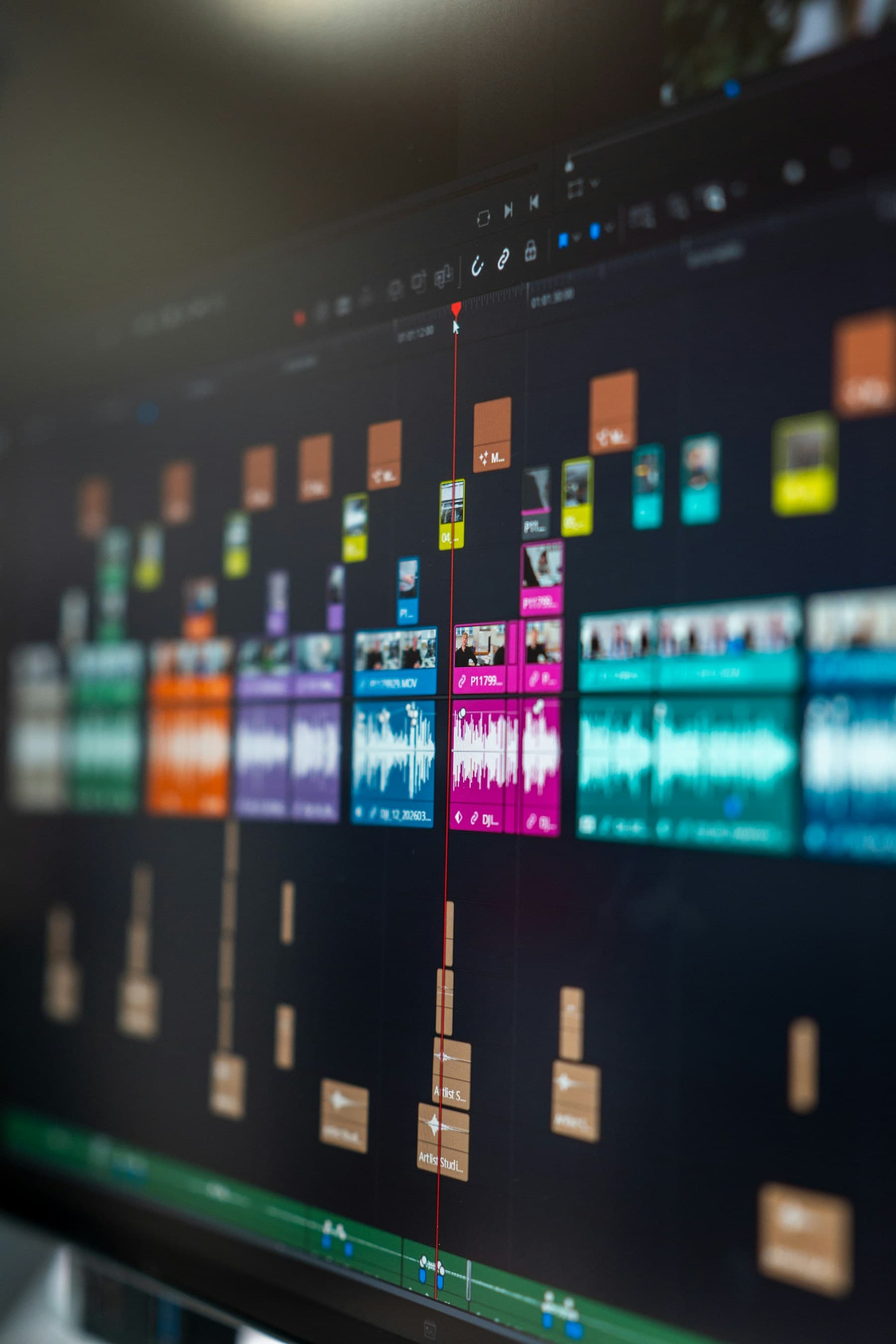
Video shows what text leaves out.
Search has been stuck in text for 20 years. Meanwhile the way people research, compare, and buy moved to video.
When you can search the moment, you capture what someone actually wants, not the words they guessed at.
This is the shift UpRock video search is built for: from typed keywords to visual evidence, timestamps, and scenes people can act on.



Add to your agent
Bring video search to the tools your team already uses.
UpRock video search is an MCP server and API endpoint for live video search. Agents call it like any other tool and get timestamped evidence back.
 OpenClaw
One MCP server for agent tools.
One API for apps, CLIs, and pipelines.
Your interface stays the same. Video becomes just another tool call.
“Find the exact second the bag folds flat.”
video.search({ source: "live_url", query: "bag folds flat"}) UpRock video search returns
04:39 timestamped evidence
Visual match, spoken explanation, and product state.
const clip = await uprock.video.search({ url, query: "where the bag folds flat"});Use cases
Find the detail buried inside hours of video.
FAQ
FAQ
Won't the video platforms just offer this?
Not today. Platform search APIs look at titles, descriptions and tags, one platform at a time, with daily quotas. They return whole videos, not the moment where something is shown or said. Finding that moment across public video everywhere, in one search, is what the index is for.
Is this scraping? Do you keep copies of videos?
No. We keep notes on a video, not the video: a transcript, a few small frames per 30-second moment, and a timestamp that points back to the original. Nothing in the index is something anyone would sit and watch.
So how is it different from what a search engine does?
It's the same idea. Search engines read billions of pages and keep a compact version of each so they can find it again, then send you to the page. We do that for video: index the moment, link to the original.
Why is it fair use?
Because it's an index, not a copy. It turns a video into searchable notes nobody would consume on their own, and every result sends the viewer to the original video at the right second. The creator keeps the audience and the traffic.
Which videos can be indexed?
Any public video URL, including YouTube, TikTok, Instagram and X. If anyone can watch it without logging in, it can go in the index. We don't index private or login-only video, and we don't take uploads.
Why not just call each platform's API?
Because you'd be juggling several APIs, keys and quotas, each covering one platform and none searching inside the video. Here it's one index and one API across public video, today's platforms and future ones, with no per-platform limits.
Give your agent eyes.
Drop a video link into a chat and most agents can read the title and, at best, the transcript. Add the UpRock MCP server or API and yours can watch it: what's shown and said, moment by moment, on any public video. Every video anyone adds joins the shared index, so the next agent finds it instantly, and people who pay to add videos get their searches cheaper.
How the network builds the public index: the open video index →